

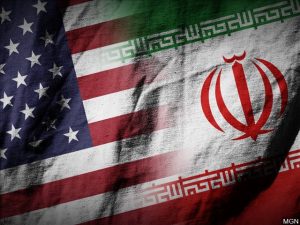
As the conflict in Iran continues into its tenth day, a Virginia Tech professor and native of the country took a closer look at the conflict’s consequences for Iran, neighboring countries, and the global economy. WFIR’s Conner Arthur has that story:
Djavad Salehi-Isfahani spent 41 years teaching economics at Virginia Tech, but his roots trace back to high school in Nishapur, Iran. As the conflict between U.S., Israeli, and Iranian forces enters its tenth day, he warns the war is dismantling the nation’s economic infrastructure. This destruction goes beyond financial markets. It threatens basic access to electricity, clean water, and natural gas for millions of residents.
Global Economic Ripple Effects
The global economy is already feeling the pressure of rising energy costs. Crude oil and natural gas prices have climbed, which typically triggers inflation. Salehi-Isfahani explains that the Federal Reserve often reacts to rising inflation by restricting the money supply. This process makes borrowing more expensive and can lead to a recession in the United States. While the U.S. is energy independent, it remains connected to global market prices.
Regional Trade and Fragility
Trade through the Strait of Hormuz has slowed significantly. This impacts countries that rely on the Persian Gulf for food and oil exports. Iran was already financially fragile with a weakening currency, the Rial. Salehi-Isfahani notes that the current military action is much more destructive than previous economic sanctions. He compares the potential for long-term chaos to the situations in Syria and Libya.
Political Shifts and Public Sentiment
The conflict follows the death of Iranian leader Ali Khamenei. His son, Mojtaba, has taken power despite never holding public office. Domestically, American support for the intervention is low. A recent PBS poll shows nearly 56% of Americans disapprove of the military involvement in Iran. Salehi-Isfahani fears the war will turn a once-progressing nation back toward a hostile stance against the West. He notes that Iran had previously recovered from the 1953 CIA-led coup, but this conflict may set back decades of social progress.
The post Longtime Virginia Tech professor discusses Iranian conflict as it enters 10th day first appeared on News/Talk 960-AM & FM-107.3 WFIR.
